Breath Testing Instruments

Breath Test Devices

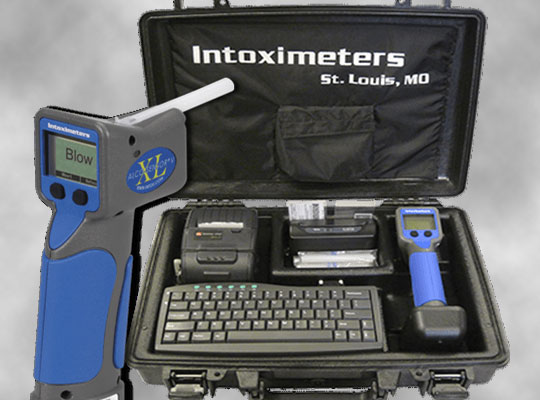
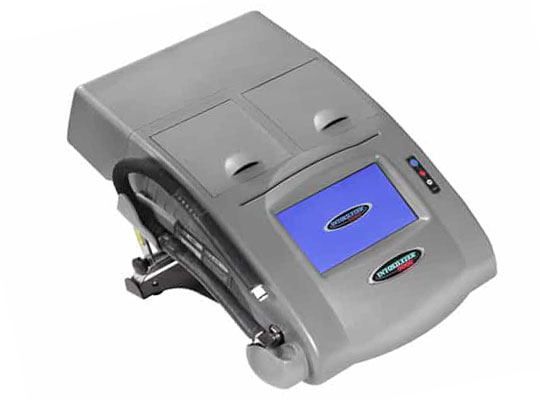
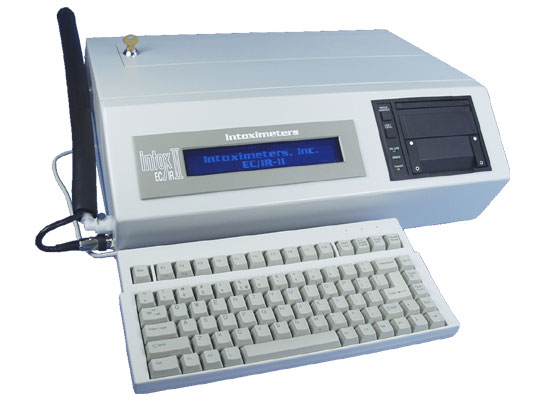
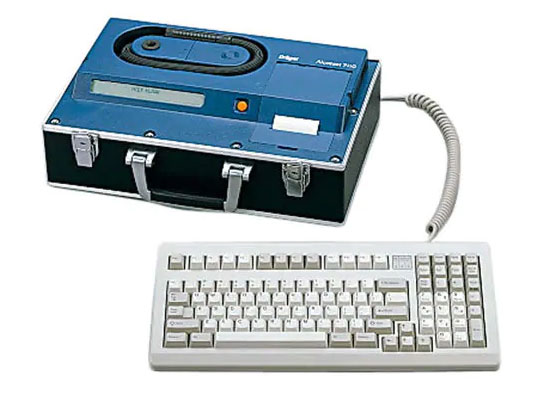
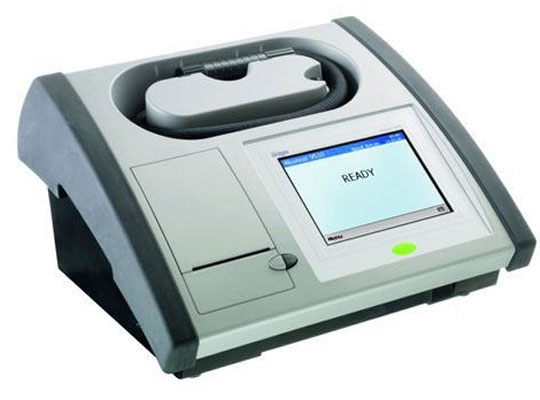
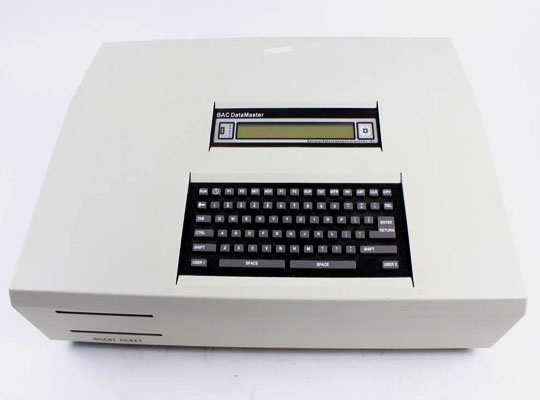
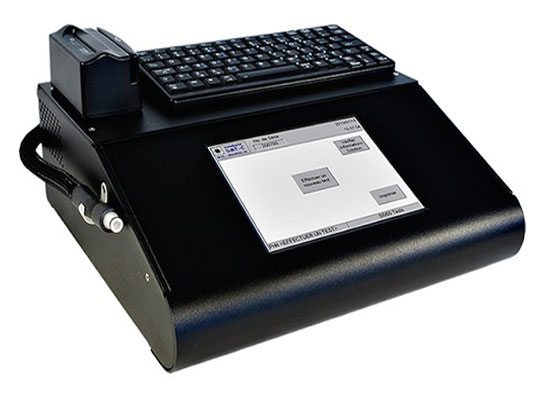
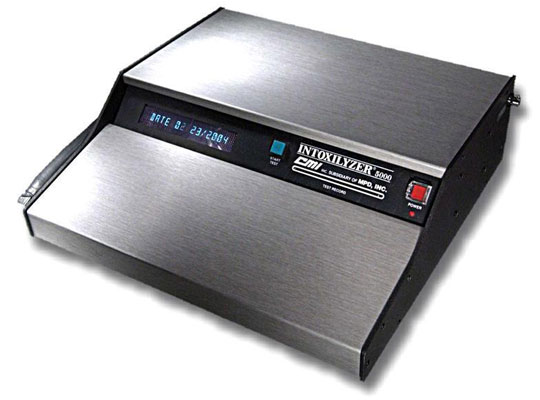
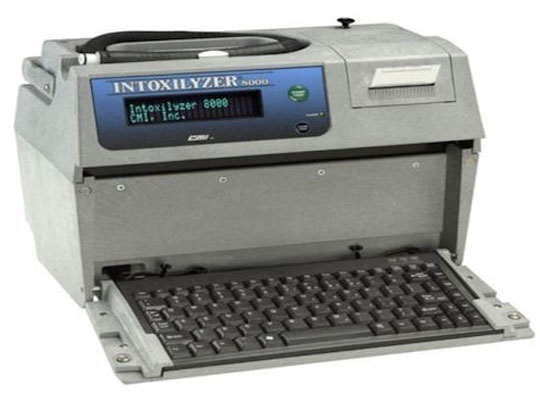
Evidential Breath Testing. An individual suspected of DUI is often required to submit to evidential breath testing administered by law enforcement officers. Evidential breath testing devices produce printouts that are generally admissible as evidence in a court of law. Evidential Breath Testing devices on the National Highway Traffic and Safety Administration’s conforming products list (CPL) are the only devices which may be used to conduct alcohol confirmation tests under 49 CFR Part 40.

At a minimum, NHTSA requires that all evidential breath test instruments:

  • Provides a printed triplicate result (or three consecutive identical copies of a result) of each breath test;
  • Assigns a unique number to each completed test, which the BAT and employee can read before each test and which is printed on each copy of the result;
  • Prints, on each copy of the result, the manufacturer's name for the device, its serial number, and the time of the test;
  • Distinguishes alcohol from acetone at the 0.02 alcohol concentration level;
  • Tests an air blank; and
  • Performs an external calibration check.

There are a multitude of instruments currently in use throughout the United States. Some states even employ multiple instruments depending on jurisdiction. While the science behind these instruments is generally the same, each machine has unique functions, capabilities and limitations.

Below you will find pages dedicated to some of the most common instruments currently being used by law enforcement nationwide. For more information about specific breath test instruments currently in use, contact a State Delegate today or visit our Virtual Forensic Library.
Find an Attorney

Enter your city, state, or Zip code below to locate a qualified attorney who has demonstrated a commitment to defend those accused of DUI and related crimes.

FIND AN ATTORNEYSearch
vfl

vflVirtual Forensic Library

vfl

NCDD members have access to a comprehensive forensic library that provides invaluable information to be used when defending clients charged with DUI.

This library includes scientific articles on drug and alcohol intoxication, toxicology and pharmacology, methods of testing for blood alcohol content, field sobriety testing, potential errors that may occur during testing, accident reconstruction, expert testimony, and evidentiary rules. This valuable information can ensure that you provide a high quality defense to clients charged with DUI based on the circumstances of their case and the laws in their state.

FROM OUR BLOG

The Disconnect Defense: Defeating a Breath Test Twice the Legal Limit

06/29/2026

By Hunter TzovarrasChair, NCDD Trial Advocacy Task ForceThe Law Office of Hunter J. Tzovarras, Bangor, Maine With assistance from Myranda G. SandbergMember, NCDDNero DUI Defense, S.C., Eau Claire, Wisconsin "It doesn't matter what number the machine prints out if the video shows you walk, talk, and act sober." That is what I tell clients who are sure a high breath test means...

AI in Court Filings: The Ethics Line Between Assistance and Abdication

03/30/2026

By Ryan Katz It is no secret that Artificial Intelligence, or AI, is vastly changing the landscape of many different fields. While the practice of law is certainly not something anybody would want to be taken over by AI in any major way, AI is still a tool which has applications for lawyers. Generative AI can help lawyers brainstorm arguments, organize...

Back to Top